https://www.orthoptics.org.uk/wp-content/uploads/2022/09/PERL-logo-alt-257×300.png
EXCITING NEWS – The Hololens and PERL Project Re-launch
In October 2021, we pioneered the Clinical Placement Expansion Project (CPEP) using state-of-the-art Hololens augmented reality technology. This innovation revolutionises use of patient assessment videos, capturing real patient episodes of care and streaming them directly to our orthoptic students across various universities.
The concept involves Orthoptists wearing Hololens goggles, allowing them to record or stream their surroundings hands-free. This enables comprehensive assessments in real time while recording for storage on the PERL or livestreaming via Microsoft Teams. These recordings are exclusively accessible to BIOS Members through the Placement Expansion Resource Library (PERL), an online portal offering videos categorised by condition and searchable via various filters. This initiative not only adds to the amount of authentic clinical resources available to students and clinical tutors, but also supports continued professional development across the orthoptic profession.
For more information on how to get involved with this project, please visit Placement Expansion Resource Library (PERL)
Award Winning
This groundbreaking concept was a first of its kind amongst the field of Allied Health Professions, earning the prestigious CAPHO award in 2022 from the NHS England Chief Allied Health Professional Officer.
Hannah Harwood, who has been a pioneer in live streaming patient assessments, received the Special Services to BIOS award in recognition of her dedication and hard work. She has consistently ensured that high-quality patient assessments are regularly streamed into universities, significantly enhancing the learning experience for students.
https://www.orthoptics.org.uk/wp-content/uploads/2021/10/Hololens-Headset-269×300.jpg
Impact and Testimonials
This innovative project has significantly benefited universities, clinical staff, lecturers, and students, with PERL amassing over 9,900 resource views. Here are comments from our Higher Education Institutes, Clinical Tutors, Students and Patients:
“It has been exciting to be involved in a revolutionary project supporting and enhancing Orthoptic Education. The CPEP team were hugely supportive throughout, and now we have an established live-streaming service, it’s never been a better time for others to get involved.
The use of the Hololens ensures both my hands are free and so does not hinder my Orthoptic investigation. Patients have been very interested and impressed in the project. There have been some unexpected benefits also; students attending block placement with us are already familiar with me and our department.”
“The PERL has been of immense value to students. Where they used to rely on YouTube videos (normally grainy clips from the 1990s) to demonstrate conditions like nystagmus, gaze palsies, or myasthenia gravis, students can now access a collection of high-quality videos that show how to conduct a gold-standard orthoptic assessment in complex cases.”
“The success of this project so far is largely due to the commitment of many clinical tutors (like Hannah Harwood) who have gone above and beyond to support digitally-enhanced clinical teaching. Thank you to all who have been involved so far!”
“Using PERL has enormously enhanced my teaching. This has allowed my students across all years to watch the videos alongside the lectures on each condition. The exam scores have also improved this year due to the increased use of simulation.”
“Hannah’s live streaming is incredible. The third and fourth-year students benefitted from seeing a wide range of patients, viewing complete Orthoptic assessments, and participating in management discussions. This is now embedded in all years of our programme at GCU.”
“Once again, thank you to everyone for all your help.”
“The livestream sessions and PERL platform have been invaluable in connecting our students to real life clinical cases and the clinical environment.”
“The ability to engage with Hannah live and ask questions about the case has generated some stimulating discussion.”
“Use of livestreaming and PERL platform is embedded in teaching and assessment practices across all years of the programme to increase authenticity and application to practice.”
“It is hoped that as we refine the format of these sessions and more sites come on board to increase the variety and frequency that students have access to these activities we will continue to expand placement capacity.”
Comments received from a recent student evaluation:
“PERL is a fantastic learning resource and I only wish that it was available during my first year”
“I think the livestream sessions would have been helpful in 1st and 2nd year”
“PERL is very beneficial to me when revising ………… I think it will help many students in the future.”
Patient comments:
“Enjoyed helping in any way possible”
“If it helps in the training of students the more people that do it, the better”
“I forgot it was even happening”
Publications & Presentations
The PERL and Hololens project has also resulted in a number of publications and presentations at national and international conferences highlighting the innovative work to the wider orthoptic profession and beyond – one example can be found here:
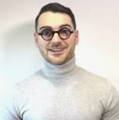 Live-streaming patient consultations to pre-registration Orthoptic students for clinical education
Karzan Hughes – University Teacher in Orthoptics at The University of Sheffield
Boosting Visibility and Capacity
This project enhances the profession’s visibility, showcasing its technological advancements and attracting future students. With recognition from NHS England, it raises awareness among AHP providers, highlighting the profession’s significance and boosting visibility.
Crucially, this project allows the profession to increase training numbers on university programmes. This is crucial to the profession meeting the future workforce needs, outlined in for example the NHS Long Term Workforce Plan which has a target of 160 training places per year by 2030 in England alone. Without the continued deployment and development of authentic simulated and virtual placement experience to complement traditional clinical placement experience, there is a risk that this target will not be met.
Join Us!
We are excited to announce the re-launch of our program with a renewed focus on expanding the number of sites that can offer livestream simulations and record videos for storage on the PERL. This expansion will help distribute the workload across multiple sites and enhance the breadth of clinical experience available.
Existing Project Sites
Starting in September 2024, sites already equipped with a Hololens are invited to join our monthly meetings. These sessions will review the necessary support to help you start offering livestreaming and recorded content for the PERL.
Support for New Sites
Are you interested in joining our project? Contact Michelle Murray at michelle.murray@orthoptics.org.uk to register your interest. Once registered, you’ll gain access to a comprehensive support page on the BIOS website. This page contains all the resources you need to begin the approval process with your local trust. Additionally, we will host separate drop-in sessions where you can receive personalised support from our wider project team.
This is a fantastic opportunity to expand your teaching experience and engage with cutting-edge technology. Additionally, providing live stream clinics qualifies for placement tariff payments, offering extra benefits.
https://www.orthoptics.org.uk/wp-content/uploads/2024/07/Picture5-228×300.jpg
Help us shape the future of the orthoptic profession!
For more information, visit our Placement Expansion Resource Library (PERL).


